
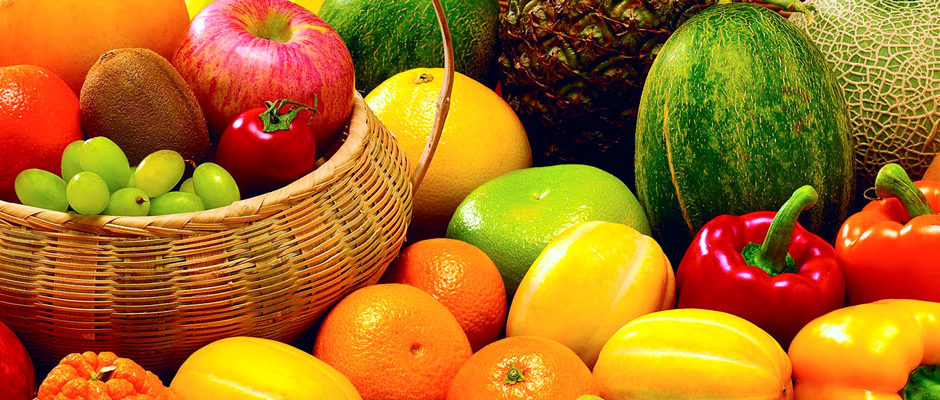
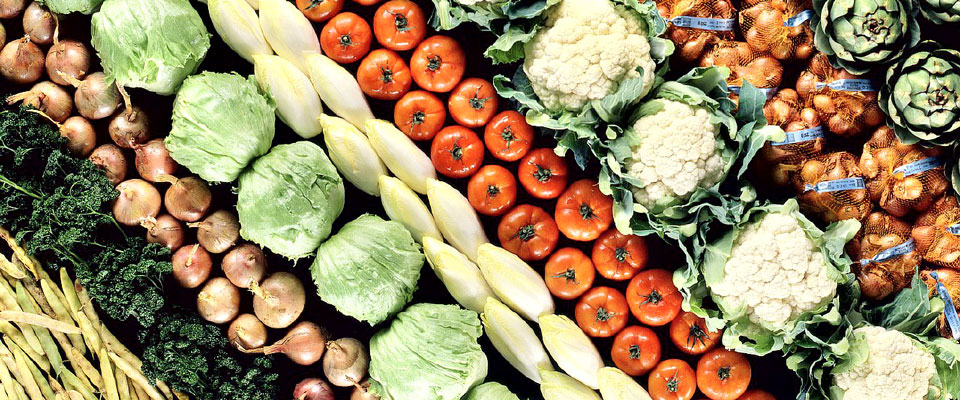
What does biohumus produce when growing vegetables and fruits?
- Application of biohumus into soil significantly increases yield (depending on the cultivated crop and state of soil — up to two times).
- Biohumus allows to increase the period of fruiting for 2-3 weeks.
- The use of biohumus increases the content of sugars, vitamins and dry matter in plants, reduces the accumulation of nitrates. The vegetables and fruits grown in greenhouses have almost the same great taste as those grown in open field.
- Storage ability of fruits increases almost 2 times.
- Biohumus is used by plants during 3-4 years after application.
What does biohumus produce when growing ornamental plants?
- Biohumus accelerates growth, improves coloring of flowers, fruits and abundance of flowering. Promotes rapid rooting of cuttings and stimulates root formation.
- Resistance of plants to diseases and stressful situations (droughts, transplants, temperature fluctuations, high concentrations of chemicals, etc.) increases.
- The need for irrigation is reduced due to moisture capacity and water retention capacity.
- Period between cutting of flowers and fading of those flowers increases.
- Biohumus improves gas exchange processes, making the soil looser; provides full nutrition to plants. Biohumus is available for 3-4 years after application.
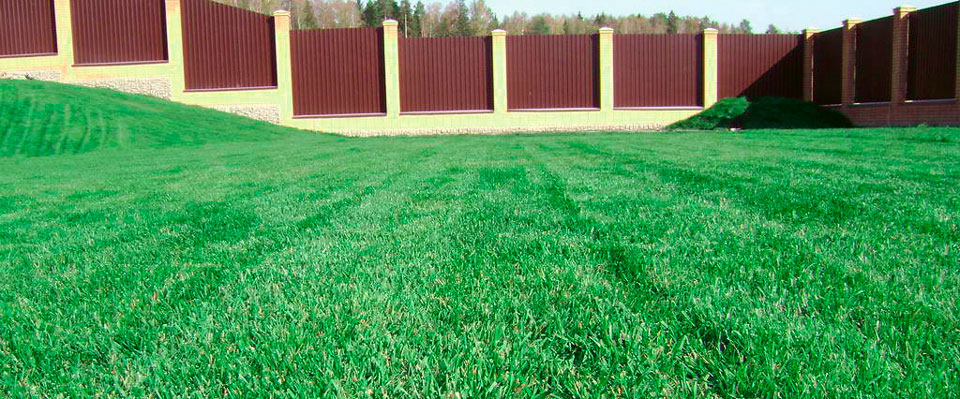
What does biohumus produce when growing lawns?
- The season is prolonged (lawn turns green 1-2 weeks earlier and turns yellow 1-2 weeks later than without use of Biohumus).
- Reduces the need for watering. Biohumus absorbs a lot of moisture and releases it only when soil becomes dry.
- Increases the resistance of lawns to diseases and stressful situations (droughts, temperature fluctuations, trampling).
- Soil becomes looser and improves gas exchange processes. As a result, lawns become dense, saturated green, resistant to various stresses.